The Squishy Bag in the Crisper Drawer: How American Kitchens Lose $1,500 a Year
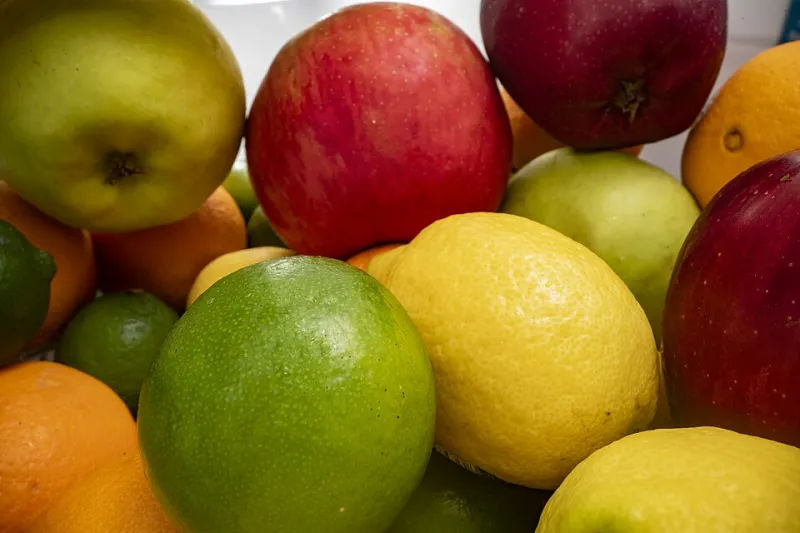
Photo: USDAgov, Public domain, via Wikimedia Commons
Every Sunday, millions of American households restock the fridge with the quiet confidence that this week will be different. By Thursday, the spinach has liquefied behind the oat milk. By Sunday, it's happening again.
That little ritual is funny right up until you run the numbers — and the numbers are not funny at all.
The money hiding in your grocery receipt
The USDA has estimated that the average US household of four throws out food worth about $1,500 a year; other analyses push that closer to $1,900 once you count what gets dumped at restaurants. And households, not supermarkets, are now the single largest source of surplus food in the country. We're not talking about a villain here. We're talking about a hundred small, ordinary decisions made on a Tuesday night when you're tired.
The environmental ledger is worse. The EPA has consistently found food to be the single largest category of material in US landfills — bigger than plastics, bigger than paper. When it rots in there without oxygen, it produces methane, and landfills are among the largest sources of human-caused methane emissions in the country. Every scrap you scrape into the trash carries a shadow supply chain behind it: roughly a fifth of US freshwater use, a comparable slice of fertilizer and cropland, plus the diesel, refrigeration and labor that got a tomato from a field in Florida or Mexico to aisle nine.
None of that is a reason to feel terrible. It's a reason to be a little strategic. Food waste is one of the very few climate actions that pays you back in cash.
Culprit one: your fridge is a morgue, not a pantry
Most of us organize the refrigerator by grocery-bag order, which is to say badly. The back of the shelf is a place where things go to be forgotten with dignity.
Fix the geography first. Put the fragile stuff — greens, berries, the expensive leftovers — at eye level, front and center. Dedicate one clear bin as an "eat me first" shelf and put anything with a ticking clock in it. Move condiments and long-haul items to the door and the back. Wash berries only when you're about to eat them; moisture is what turns them to mush. Treat herbs like flowers and stand them in a glass of water.
None of this requires matching containers or a label maker. A $6 clear bin and a permanent marker will do it.
Culprit two: the date label is not a law
The phrase "best by" is, for the overwhelming majority of foods, the manufacturer's guess about peak quality — not a safety deadline and not a federal mandate. The only product with a hard federal date requirement is infant formula. Everything else is a state-by-state patchwork that researchers have been warning about for years: surveys out of Penn State have found that more than 80 percent of Americans will throw out food past its date simply because the date is there.
Use your senses instead. Does it smell fine? Is there no fuzz? Does it look like food? Then it's probably food. Milk a few days past its date is fine. Bread is stale, not dangerous. Canned goods are good for years. The FDA and USDA have both signaled support for standardizing on a single "Best if Used By" phrase, but until that happens, the patchwork is still the patchwork — and the decision is still yours.
Culprit three: the warehouse-sized trap
Buying in bulk is a great deal right up until it isn't. A five-pound bag of oranges saves you money per orange and costs you money per orange if three of them go soft in the drawer.
The rule: buy bulk only for things that are shelf-stable or freezer-bound. When you get home from a warehouse run, spend fifteen minutes portioning meat into meal-sized freezer bags and flattening them out so they stack. Freeze the bread. Freeze the half-bushel of peaches you were clearly overconfident about.
Culprit four: meal planning sold you a fantasy
Those color-coded plans with twenty-one distinct meals and a shopping list the length of a CVS receipt? They work for about nine days. Then life happens and the plan becomes a museum exhibit of your past ambition.
A looser system survives longer. Three anchor dinners you actually know how to cook. One night a week that's specifically a clean-out-the-fridge night — call it Fridge Friday. A shopping trip that takes the pantry into account before it takes the store into account. That's it. That's the plan.
A four-week reset that doesn't ask much of you
Week one: audit only. Tap a piece of paper to the fridge door. Every time you throw food away, write down what it was. Change nothing else. By day seven you'll have a pattern — probably herbs, probably greens, probably leftovers nobody claimed.
Week two: the shelf reset. Install the eat-me-first bin. Move the fragile produce forward. From here on, the fridge gets a two-minute sweep the night before trash day.
Week three: shrink the shop. Buy produce twice a week in smaller amounts instead of once in a heroic haul. A quick Wednesday top-up beats a Sunday produce funeral.
Week four: freezer literacy. Label everything with a date. Freeze leftover herbs chopped into oil in an ice cube tray. Freeze bread the day you buy it. Freeze leftovers in single portions, which is the only portion size anyone actually eats on a Wednesday.
After the first month, keep two habits: the scheduled leftover night and three flexible recipes you can throw anything into — fried rice, frittata, soup. If you cut waste by 60 percent instead of 100 percent, you just gave yourself a few hundred dollars and kept hundreds of pounds of methane out of the air.
Whatever you can't rescue, compost it
Check whether your city has curbside organics collection — a growing number do, and 2026 has brought more of them online. If not, look for a local drop-off site or a neighbor with a backyard bin. Keeping food scraps out of the landfill is the whole point; a backyard pile that gets turned regularly doesn't generate the same methane problem.
And a public service announcement: that "compostable" fork from the takeout place will not break down in your kitchen bin or, realistically, in most landfills. Compost the food. Toss the fork.
The $1,500 isn't a lecture. It's a refund sitting in your crisper drawer, waiting for you to notice it before it turns to slime.