What's Really in Rover's Bowl — And What It's Costing the Planet
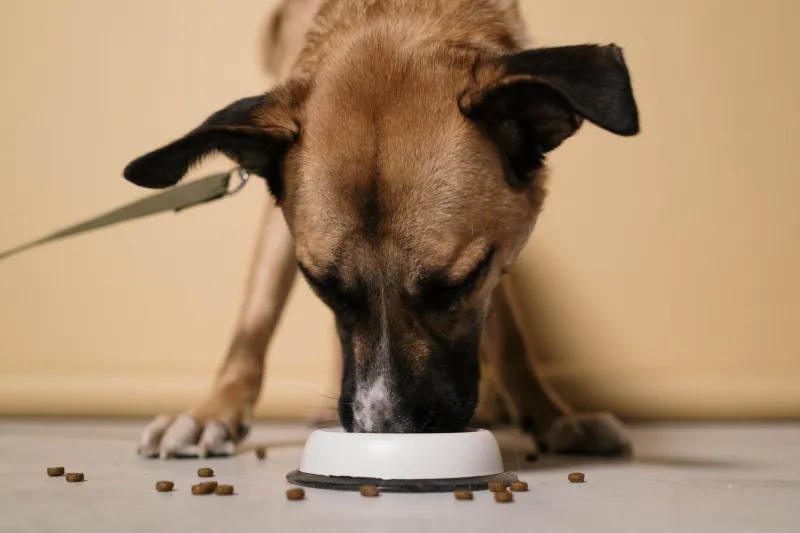
You switched to reusable bags. You take shorter showers. You might even compost. But if you share your home with a dog or cat, there's a good chance one of your biggest environmental blind spots is sitting right there in a bag of kibble next to the back door.
Pet food doesn't get nearly the scrutiny it deserves. We spend enormous energy debating plant-based diets for humans and the emissions tied to beef production — yet the pet food industry, which processes tens of millions of tons of animal protein every year in the US alone, largely flies under the radar. That needs to change.
The Scale of the Problem Is Staggering
Americans own roughly 90 million dogs and 94 million cats. Feeding that many carnivores takes a jaw-dropping amount of resources. A 2017 study published in PLOS ONE estimated that dogs and cats in the US consume about 19% as many calories as the entire American human population — and that the land, water, and energy required to produce that food generates the equivalent of around 64 million tons of CO₂ annually. For context, that's roughly comparable to the emissions from 13 million cars driving for a year.
And it's not just about carbon. It's about what gets sacrificed to fill that bowl.
Fish in the Bag: The Ocean Cost Nobody Talks About
Flip over almost any bag of premium cat food — or even a lot of dog food marketed as "high protein" — and you'll find fish. Salmon, tuna, whitefish, anchovies. These ingredients sound wholesome, but the fishing practices behind them are anything but.
Small forage fish like anchovies and herring are often harvested in enormous quantities specifically for fishmeal used in pet food and aquaculture feed. These fish are critical to marine food webs — they're what larger fish, seabirds, and marine mammals depend on. When we vacuum them out of the ocean to grind into kibble, the ripple effects travel all the way up the food chain.
Some of the world's largest fishmeal operations are linked to severely depleted fisheries, particularly off the coasts of South America and West Africa. The demand from pet food manufacturers is a significant driver of that pressure. So when your cat's "ocean whitefish" dinner gets poured into a bowl, there's a real ecosystem cost attached to it that the pretty packaging never mentions.
Land, Meat, and the Habitat Hidden in Every Bite
For dogs especially, meat-heavy kibble carries a land use footprint that rivals — and in some cases exceeds — what's associated with your own diet. Chicken, beef, and lamb require vast amounts of cropland to grow feed grain, plus the land the animals themselves occupy. Beef is the worst offender: producing a single pound of it uses roughly 20 times more land than producing a pound of plant protein.
Many conventional pet foods rely heavily on beef and chicken byproducts, which sounds like a clever recycling solution — and to some extent it is — but the demand pet food creates still props up the broader industrial meat system. That system is one of the leading drivers of deforestation globally, from the Amazon to Southeast Asian rainforests cleared for soy production to feed livestock.
When we talk about habitat destruction, we usually picture logging trucks or bulldozers. But industrial agriculture — fueled in part by the pet food supply chain — is doing the same work more quietly.
So Does This Mean You Should Rehome Your Dog?
Absolutely not. That's not the point, and frankly it's not a realistic or compassionate answer. Pets are family. The goal here isn't guilt — it's awareness, and then action.
The good news is that the pet food market is evolving fast, and consumers have more genuinely sustainable options than ever before.
Insect-Based Pet Food: Weird Name, Real Results
One of the most promising shifts happening right now is the rise of insect-based pet food. Brands like Jiminy's, Open Farm, and Yora (UK-based but increasingly available in the US) are producing dog food made with black soldier fly larvae or crickets as the primary protein source.
This isn't as out-there as it sounds. Insects are nutritionally complete protein sources for dogs. More importantly, they require a fraction of the land, water, and feed that conventional livestock need. Black soldier fly larvae can be raised on organic waste streams, turning food scraps into protein — which is about as circular as agriculture gets. Their greenhouse gas emissions are dramatically lower than beef or even chicken.
Dogs don't care what their protein used to be. If the food tastes good and meets their nutritional needs, they're happy. And the planet gets a meaningful break.
Plant-Forward and Sustainable Brands Worth Knowing
For dogs (who, unlike cats, can thrive on a more plant-forward diet), there are certified sustainable brands that take sourcing seriously. Look for:
- Wild Earth — a US brand making yeast-based protein dog food that's both nutritionally complete and dramatically lower in emissions than meat-based alternatives.
- Chippin — uses spirulina and insect protein, with transparent sourcing and a strong sustainability mission.
- Open Farm — if you want to stick with meat-based food, Open Farm uses humanely raised, traceable ingredients and is one of the more transparent brands in the space.
For cats, the options are more limited because cats are obligate carnivores — they genuinely need animal protein. But you can still make better choices by avoiding brands that rely heavily on wild-caught forage fish, choosing smaller portion sizes appropriate to your cat's actual size, and looking for companies that offset their supply chain emissions.
Practical Steps You Can Take Right Now
You don't have to overhaul everything overnight. Start here:
- Check the protein source on your current pet food. If it's heavily reliant on beef or wild-caught fish, consider transitioning gradually to a more sustainable alternative.
- Right-size portions. Overfeeding isn't just bad for your pet's health — it's wasteful. Ask your vet what your dog or cat actually needs.
- Try an insect-based option. Most dogs transition well. Give it a month before deciding.
- Buy in bulk when possible to reduce packaging waste.
- Look for certifications — B Corp status, non-GMO sourcing, and transparent supply chain information are all good signals.
The Bigger Picture
Loving animals and protecting the planet aren't in conflict — but we have to be willing to extend our environmental thinking beyond our own plates and into our pets' bowls. The choices we make at the pet food aisle have real consequences for oceans, forests, and the climate. They also send market signals that tell manufacturers what we value.
The pet food industry is listening. Consumer demand has already pushed several major brands to explore more sustainable sourcing. The more of us who ask hard questions and make thoughtful choices, the faster that shift happens.
Rover deserves a good dinner. So does the planet. Turns out, with a little intention, you can give them both.