Compostable Doesn't Mean Composted: The Packaging Lie That's Filling Up Our Landfills
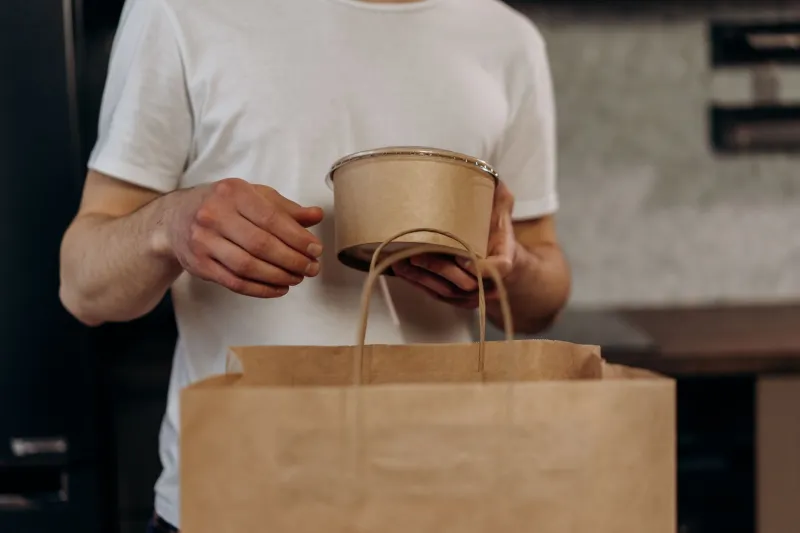
You've done everything right. You ordered from a local restaurant, skipped the plastic straw, and felt a quiet sense of satisfaction when you noticed that your takeout container was stamped with the words "certified compostable." Maybe there was even a little leaf logo. You tossed it in the compost bin and moved on with your evening, confident you'd made the greener choice.
Here's the uncomfortable truth: that container is almost certainly sitting in a landfill right now.
This isn't a fringe problem or an edge case. It's a systemic failure baked into the way compostable packaging is marketed, sold, and — critically — not processed across most of the United States. And the gap between what consumers believe they're doing and what's actually happening to their food containers is enormous.
What 'Compostable' Actually Means (And What It Doesn't)
When a food container is labeled compostable, it typically meets standards set by organizations like the Biodegradable Products Institute (BPI) or complies with ASTM D6400, the industry benchmark for compostable plastics. What those certifications actually guarantee is that the product can break down — under very specific conditions that almost never exist in your backyard bin or curbside pickup.
Most certified compostable containers require industrial composting facilities, where temperatures regularly hit between 130°F and 160°F, moisture is carefully controlled, and microbial activity is actively managed. In those conditions, a compostable container might break down in 90 to 180 days. Sounds great, right?
Except the vast majority of Americans don't have access to those facilities.
The Infrastructure Gap Nobody's Talking About
According to the US Composting Council, fewer than 200 communities nationwide currently offer curbside organics collection that accepts food-soiled compostable packaging. That's out of more than 19,000 incorporated cities and towns in the country. Even in cities that do offer composting pickup, many programs explicitly exclude compostable plastics because sorting and processing them is complicated and expensive.
A 2023 report from the Composting Consortium found that only about 27% of Americans have access to any kind of food scrap composting program — and even fewer live in areas where certified compostable packaging is actually accepted at the facility level. When researchers surveyed industrial composting facilities directly, more than half said they routinely reject or landfill compostable serviceware because it doesn't break down fast enough to keep up with their processing timelines.
"We get material in that says 'compostable' right on the side," one operations manager at a mid-size composting facility in the Midwest told us. "But if it's still holding its shape after two weeks in our windrows, it's contamination to us. It gets pulled and landfilled. That's just reality."
And in a landfill? Compostable packaging doesn't compost. Without oxygen, heat, and microbial activity, it essentially mummifies — much like conventional plastic. Some studies suggest it may even release methane as it slowly degrades anaerobically, making it potentially worse for the climate than doing nothing at all.
How Restaurants and Brands Got Here
The explosion of compostable packaging over the past decade tracks almost perfectly with growing consumer demand for sustainable options. Restaurants, especially fast-casual chains and delivery-focused businesses, have leaned hard into compostable containers as a marketing tool — a way to signal eco-consciousness without fundamentally changing their supply chains.
It's not necessarily bad faith. Many restaurant owners genuinely believe they're doing the right thing. But the packaging industry has been slow to close the gap between what's certified and what's actually processable at scale. The result is a kind of sustainability theater: packaging that looks and feels responsible but functions, in practice, like conventional waste.
The Federal Trade Commission's Green Guides offer some direction here — they require that environmental claims be "truthful, not misleading, and substantiated" — but enforcement around composability claims has been limited, and the labeling landscape remains confusing for consumers and businesses alike.
So What Actually Works?
This isn't a story without hope. Some cities are genuinely getting it right. San Francisco, Seattle, and Portland have built out robust organics infrastructure that accepts certified compostable packaging at scale. Boulder, Colorado runs one of the most comprehensive composting programs in the country. If you live in one of these places, your compostable container might actually fulfill its promise.
But for most Americans, the more honest eco-choice at the takeout window is often a reusable container — or simply accepting that conventional packaging, properly disposed of, may be less harmful than compostable packaging that ends up in the wrong bin.
Some cities are also piloting reusable container programs through platforms like DeliverZero and Dispatch Goods, which provide restaurants with returnable containers that get sanitized and recirculated. These closed-loop systems sidestep the composting infrastructure problem entirely and are showing real promise in early markets.
How to Find Out What's Actually Compostable in Your Area
Before you assume your compostable container is being handled responsibly, take five minutes to do a little local research. Here's how:
1. Check your city or county's waste management website. Look specifically for language about "food scraps," "organics collection," or "compostable serviceware." If your program only accepts yard waste, compostable packaging almost certainly isn't included.
2. Call your hauler directly. Waste management websites aren't always up to date. A quick call to your local hauler can clarify exactly what's accepted in your bin.
3. Use the Compost Now facility locator or BioCycle's directory to find nearby drop-off composting sites that may accept certified compostable materials.
4. Look for the BPI certification mark — it's the most widely recognized standard in the US and gives you a starting point, even if it doesn't guarantee local acceptance.
5. When in doubt, landfill it. This sounds counterintuitive, but putting a compostable container in a recycling bin is actively harmful — it contaminates the recycling stream. If composting isn't available, landfill is the least-bad option.
The Bigger Ask
Individual action matters, but the real fix here is systemic. Cities need to invest in organics infrastructure. The packaging industry needs clearer, more honest labeling standards. And restaurants need to think beyond the marketing value of the word "compostable" and ask harder questions about where their packaging actually ends up.
As consumers, we can push on all of these fronts — supporting local composting ballot measures, asking restaurants about their packaging choices, and choosing businesses that participate in reusable container programs when they're available.
The compostable packaging market is projected to hit $15 billion globally by 2030. That's a lot of containers. Whether they break down into healthy soil or pile up in a landfill depends on choices we make right now — not just at the checkout screen, but in city halls, supply chains, and waste management contracts across the country.
Your takeout container has a story. It's worth finding out how it ends.