That 'Clean' Flame Is Dirtier Than You Think: The Hidden Climate Cost of Your Gas Appliances
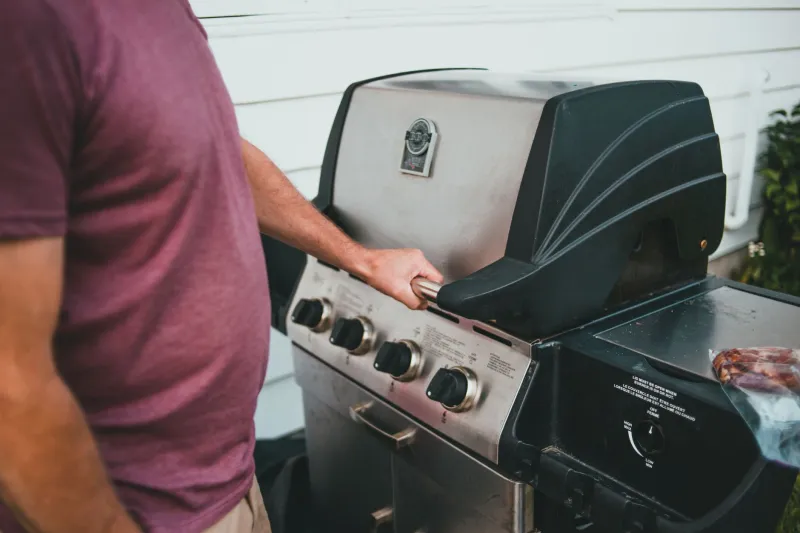
Summer cookouts. Warm patio nights. The satisfying click-whoosh of a gas burner igniting. For millions of American homeowners, natural gas feels like the reasonable middle ground — not as dirty as coal, not as inconvenient as charcoal, and way more powerful than electric. The gas industry has spent decades reinforcing that feeling, and honestly? It's worked.
But here's the thing nobody's putting on the side of the propane tank: the climate damage from your gas appliances starts long before you ever flip a burger.
The Leak You Never See
Methane is the primary component of natural gas, and it's also one of the most potent greenhouse gases on the planet. Over a 20-year period, methane traps roughly 80 times more heat than carbon dioxide. That number matters because methane doesn't stick around in the atmosphere for centuries the way CO₂ does — it acts fast, punching hard in the near-term window when climate scientists say we most need to be slowing warming down.
Here's the part the industry doesn't advertise: natural gas leaks at every single stage of its journey to your backyard. It leaks at the wellhead during extraction. It leaks from the thousands of miles of aging pipeline infrastructure crisscrossing the country. It leaks at compressor stations, distribution hubs, and the connectors running into your home. By the time you're grilling chicken thighs on a Tuesday evening, a meaningful percentage of the gas that left the ground never gets burned at all — it escapes into the atmosphere as raw methane.
Researchers at Stanford and other institutions have found that the U.S. natural gas system leaks somewhere between 2% and 3.5% of total production, and some studies put local hotspots significantly higher. That might sound small, but when you do the math against methane's warming power, those leaks can erase the climate advantage that burning gas has over coal in the first place.
'Bridge Fuel' Was Always a Marketing Term
You've probably heard natural gas called a "bridge fuel" — the idea being that it's a cleaner stepping stone while we build out renewables. The gas industry has leaned hard into this framing for going on 30 years. And sure, burning gas emits about half the CO₂ of coal per unit of energy. That part is true.
But the bridge fuel argument was built on combustion math that conveniently ignored methane leakage. When you fold in the upstream emissions — the leaks that happen before the gas reaches your stove or grill — the climate calculus gets a lot murkier, and in some scenarios, it falls apart entirely.
The bridge was always meant to be temporary. The problem is, we've been standing on it for three decades, and the gas industry has been very busy making sure we stay comfortable there. New gas infrastructure is still being built. Gas appliance manufacturers are still marketing heavily. And the suburban homeowner with a six-burner grill and a patio heater has no idea any of this is happening.
What This Actually Looks Like in Your Backyard
Let's get specific about the appliances we're talking about, because this isn't just a grill problem.
Gas grills are the obvious one, but they're actually a smaller piece of the puzzle. Most are used seasonally, and propane (which is slightly different from pipeline natural gas but shares the methane leakage problem upstream) is often stored in tanks rather than piped in.
Patio and garage heaters are a bigger concern. Americans have embraced outdoor heating in a big way, especially post-pandemic when we all started spending more time on our decks and patios. These heaters run on propane or natural gas and are often used for hours at a stretch — and they're heating open air, which is about as thermally inefficient as it gets.
Gas pool heaters are another major culprit. Heating a swimming pool with natural gas is an enormous energy draw, and the leakage embedded in that gas supply compounds the problem.
Indoor appliances connected to the same infrastructure — your gas range, water heater, and furnace — carry the same upstream methane burden, plus growing evidence that they're releasing nitrogen dioxide and other pollutants inside your home.
The Alternatives Are Actually Good Now
Here's where we stop doom-scrolling and talk about what you can actually do, because the options have genuinely improved.
Electric grills and smokers have come a long way. Brands like Weber and Traeger now make electric models that serious backyard cooks actually respect. Pair them with a green electricity plan or rooftop solar, and you've effectively zeroed out the grilling footprint.
Induction cooking is worth its own article (and we've written it), but the short version is: induction cooktops are faster, more precise, and dramatically cleaner than gas. Chefs who've switched rarely go back.
Heat pumps — both for home heating and pool heating — run on electricity and are now efficient enough to work in most U.S. climates, including colder ones. Federal tax credits through the Inflation Reduction Act have made them significantly more affordable. A heat pump pool heater, for example, can cut pool heating costs by 50-70% compared to gas.
For outdoor heating, the honest answer is: layer up, use a fire pit with sustainably sourced wood, or invest in good outdoor furniture with built-in insulation. Heating the open sky was never a great idea.
The Utility Company Is Not Your Friend Here
If you've ever called your gas utility about efficiency upgrades, you've probably noticed they're enthusiastic about helping you use gas more efficiently — but they're not exactly handing out pamphlets on switching to electric. That's not an accident. Gas utilities have a financial interest in keeping you connected to their infrastructure, and many are actively lobbying against building codes that would require all-electric new construction.
Some municipalities — including cities across California, New York, and Massachusetts — have started mandating electric-only or heat-pump-ready construction for new buildings. The gas industry has fought these measures aggressively, and in some states, they've won preemption laws that prevent cities from acting at all.
Knowing this helps you understand that individual choices matter, but they're happening inside a system that's been deliberately designed to keep you choosing gas.
Small Shifts, Real Impact
Nobody's asking you to throw out a perfectly functioning appliance tomorrow. But if you're in the market for a new grill, consider going electric. If your gas pool heater is aging out, price a heat pump replacement — and check for federal and state incentives first, because they can be substantial. If you're building a new outdoor kitchen, think hard before running a gas line to it.
And when you hear the phrase "natural gas is a bridge fuel," ask yourself: a bridge to where, exactly, and who's been collecting tolls on it all this time?
The flame in your backyard feels warm and familiar. But the climate doesn't care about familiar. It cares about methane, and right now, there's a lot of it quietly escaping into the air before it ever reaches your burner.